
George W. Gagnon, Jr. is the Director of K-12 Partnerships in the College of Engineering at the University of California, Berkeley. He works with teacher and parent partners to support students who would be the first generation in their family to be engineers or scientists. George uses Math Models he has designed to support students in developing a conceptual understanding of mathematics. George has studied learning for thirty years as a teacher, principal, and teacher educator. Now he applies his research on constructivist learning design, appropriate assessment, and learning communities to encourage educational equity in urban public schools. George and Michelle live in Oakland, California, and are actively involved with the neighborhood public schools their children attend. Michelle Collay is a School Coach for the Bay Area Coalition for Equitable Schools (BayCES) in Oakland, California, a private non-profit organization supporting urban small school initiatives. She supports school leader development and coordinates classroom-based teacher inquiry for the purposes of improving student achievement. Previously, she worked as a faculty member and administrator in teacher preparation and graduate teacher education in public and private universities. Collay conducts seminars and workshops about professional learning communities, constructivist learning design, and portfolio development. Before completing doctoral studies in Curriculum and Instruction at the University of Oregon, she taught music and mathematics in elementary and junior high school and continues to play the bassoon in local ensembles. She and her husband, George Gagnon, write, teach, and parent together and are parent leaders in their children's neighborhood school in Oakland.

Request Academic Copy
Please copy the ISBN for submitting review copy form
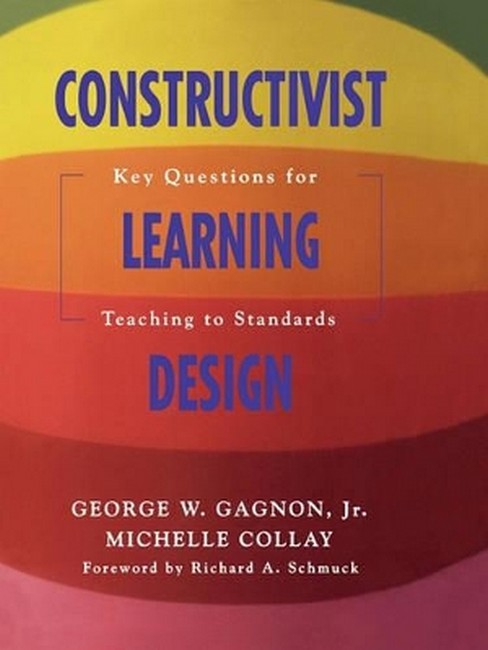
Description
Preface Acknowledgments About the Authors Introduction: Learning Design Situation Section: Constructivist Learning Design Groups Section: Learning Considerations Bridge Section: What Is Learning? Task Section: Learning Characteristics Exhibit: Fairy Tales Learning Episodes Reflection Section: Precedents for Constructivist Learning Design Concluding Remarks: Where Do We Stand? Chapter 1: Designing Situations Situation Section: Defining Guiding Questions Groups Section: Co-constructing the CLD Bridge Section: Questions for Analyzing Situations Task Section: Revising a Situation Element Exhibit Section: Example Situation Elements Reflection Section: Precedents for a Situation Element Concluding Remarks: Thoughts on Designing Situations Chapter 2: Organizing Groups Situation Section: Deciding on Groups Groups Section: The Power of Collaborative Thinking Bridge Section: Questions for Forming Groups Task Section: Revising a Groups Element Exhibit Section: Example Groups Elements Reflection Section: Precedents for a Groups Element Concluding Remarks: Thoughts on Arranging Groups Chapter 3: Building Bridges Situation Section: Surfacing Prior Knowledge Groups Section: Connecting With Students' Thinking Bridge Section: Questions for Structuring Bridges Task Section: Revising a Bridge Element Exhibit Section: Example Bridge Elements Reflection Section: Precedents for a Bridge Element Concluding Remarks: Thoughts on Building Bridges Chapter 4: Crafting Tasks Situation Section: Crafting a Task Groups Section: Thinking Together to Make Meaning Bridge Section: Questions for Framing Tasks Task Section: Revising a Task Element Exhibit Section: Example Task Elements Reflection Section: Precedents for a Task element Concluding Remarks: Thoughts on Crafting Tasks Chapter 5: Arranging Exhibits Situation Section: Defining the Nature of an Exhibit Groups Section: The Power of Students Presenting their Thinking Bridge Section: Questions for Encouraging Exhibits Task Section: Revising an Exhibit Element Exhibit Section: Example Exhibit Elements Reflection Section: Precedents for an Exhibit Element Concluding Remarks: Thoughts on Arranging Exhibits Chapter 6: Leading Reflections Situation Section: Leading Reflection on Thinking Groups Section: Reflecting on Making Meaning Bridge Section: Questions for Inviting Reflections Task Section: Revising a Reflection Element Exhibit Section: Example Reflection Elements Reflection Section: Precedents for a Reflection Element Concluding Remarks: Thoughts on Leading Reflections Chapter 7: Teaching Designs Dancing a Design Pacing, Rhythm, and Footwork Choosing Music for the Dance Rehearsing the Dance A Tale of Three Dancers Dancing Together Inviting Administrators to the Dance Inviting Others to the Dance Resources References Index