
Lois A. Lanning, PhD, is an independent education consultant. She presents and works with districts at the international, national, and state levels in the areas of literacy and Concept- Based Curriculum design. This book is a natural extension of her three previous best-selling books in the Corwin Press Publisher's Concept-Based collection, including Designing a Concept-Based Curriculum for English Language Arts (2013), by Lois A. Lanning; Concept-Based Curriculum and Instruction for the Thinking Classroom (2nd ed., 2017), by H. Lynn Erickson, Lois A. Lanning, and Rachel French; and Transitioning to Concept-Based Curriculum and Instruction (2014), by H. Lynn Erickson and Lois A. Lanning. In addition, Lois is the author of the bestselling book, Four Powerful Strategies for Struggling Readers, Grades 3-8: Small Group Instruction That Improves Comprehension, a joint publication between Corwin Press and the International Reading Association (2009), and a chapter in The Best of Corwin: Differentiated Instruction in Literacy, Math, and Science (2011), Leslie Laud, Editor. Lois was a classroom teacher, K-12 reading consultant, special education teacher, elementary school principal, district curriculum director, adjunct professor, and finally, an assistant superintendent of schools for the last 12 years of her career in public schools. Lois is the recipient of numerous educational awards and recognitions. Her hobbies include reading, biking, hiking, and traveling. Lois currently lives in Massachusetts with her husband. She has two children and two grandsons, whom she absolutely adores.

Request Academic Copy
Please copy the ISBN for submitting review copy form
Description
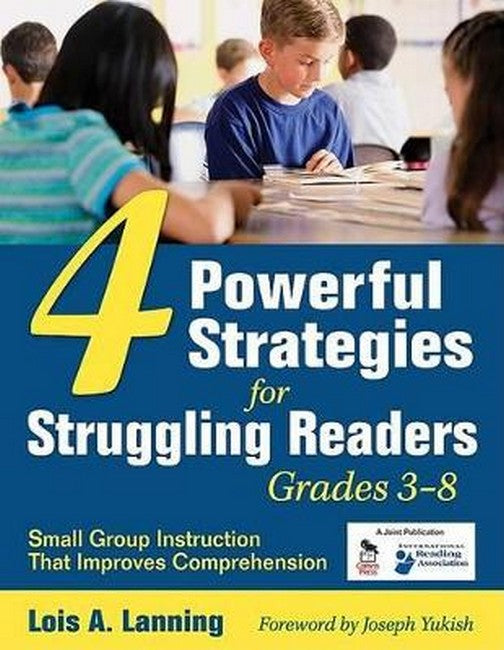
Foreword by Joseph Yukish Preface Acknowledgments About the Author 1. Foundations Recent Findings From Comprehension Strategies Why Four Powerful Strategies? The Four Powerful Comprehension Strategies Summary of Recent Findings From Comprehension Research Reading Comprehension Instruction Comprehension Instructional Activities and Practices Research on the Transfer of Learning What Is Transfer? A Closer Look at Transfer Theory Summmary of Reading Comprehension Instruction 2. Gradual Release to Accelerate Progress Gradual Release Lesson Design Conclusions and Reflections 3. Putting the Strategies Into Practice: Summarizing What Is Summarizing? When Does a Reader Summarize? Why Do Readers Summarize? Sample Lessons for the Strategy Summarizing Summarizing Across Content Areas Conclusions and Reflections 4. Putting the Strategies Into Practice: Creating Meaningful Connections What Is Creating Meaningful Connections? When Does a Reader Create Meaningful Connections? Why Do Readers Create Meaningful Connections? Sample Lessons for the Strategy Creating Meaningful Connections Making Meaningful Connections Across Content Areas Conclusions and Reflections 5. Putting the Strategies Into Practice: Self-Regulating What Is Self-Regulating? When Does a Reader Self-Regulate? Why Do Readers Self-Regulate? Sample Lessons for the Strategy Self-Regulating Self-Regulating Across Content Areas Conclusions and Reflections 6. Putting the Strategies Into Practice: Inferring What Is Inferring? When Does a Reader Infer? Why Do Readers Infer? Sample Lessons for the Strategy Inferring Inferring Across Content Areas Conclusions and Reflections 7. Conclusion Glossary: Defining Terms Appendix 1: Thinking About How We Use Strategies to Comprehend Appendix 2: Focusing on Comprehension Strategies in a Small Group Gradual Release Design Lesson for Struggling Readers: Observation Form References Index